
Taking a Proactive Approach to Conflict since 1993
For 30 years Space Training has provided people with the tools to more effectively manage their own emotional state, work with people who present behaviours that are challenging and find ways to calm situations when people who receive services are distressed, frustrated or angry.
We have two core conflict awareness and response training programmes. Our one day programme is suitable for people working in any sector and provides insight into the reasons why conflict can occur and provides the practical tools to de-escalate potentially volatile situations. Our two day programme is specifically for people working in health, social care and education. The two day course incorporates the content from the one day programme and builds upon it with physical responses. These responses enable participants to improve their personal safety through improved spacial awareness and positioning, movement and release (breakaway) techniques.
Our content can be adapted to meet your specific needs and the needs of your participants. We have successfully delivered our programmes to tens of thousands or participants in roles as diverse as: support workers, carers, foster carers, social workers, trading standards officers, machine operators, hoteliers, office administrators, finance officers, housing officers and teachers.
Our goal is to consistently deliver a training experience which is stimulating, practical, positive and outcome-focused.
We will work with you to:
We have two core conflict awareness and response training programmes. Our one day programme is suitable for people working in any sector and provides insight into the reasons why conflict can occur and provides the practical tools to de-escalate potentially volatile situations. Our two day programme is specifically for people working in health, social care and education. The two day course incorporates the content from the one day programme and builds upon it with physical responses. These responses enable participants to improve their personal safety through improved spacial awareness and positioning, movement and release (breakaway) techniques.
Our content can be adapted to meet your specific needs and the needs of your participants. We have successfully delivered our programmes to tens of thousands or participants in roles as diverse as: support workers, carers, foster carers, social workers, trading standards officers, machine operators, hoteliers, office administrators, finance officers, housing officers and teachers.
Our goal is to consistently deliver a training experience which is stimulating, practical, positive and outcome-focused.
We will work with you to:
- Plan your programme around your desired outcomes, schedule and working patterns. We can deliver training face-to-face, via virtual platforms such as Zoom and Microsoft Teams or via a blended method using a mixture of approaches
- Ensure that the training supports your organisations policies and procedures. We will ensure that the messages we convey compliment your internal communications, processes and paperwork
- Evaluate all training from the perspective of both the attendees and the trainer. We aim to give you the peace of mind that participants are going away with the practical skills they need. In the case of physical interventions, that learners are able to consistently and safely demonstrate the techniques and explain when and how they should be applied
- Recognise, embrace and value the diversity and needs of all participants. Our content can be adapted and presented in a variety of ways in order to ensure that all learner needs are respected.
A Proactive Approach to Conflict Programmes

Our one-day conflict awareness programme helps delegates to develop insight into the reasons why we may encounter conflict and how to de-escalate potentially volatile situations.
This programme is suitable for people working in all sectors and organisations. Click here to learn more. |
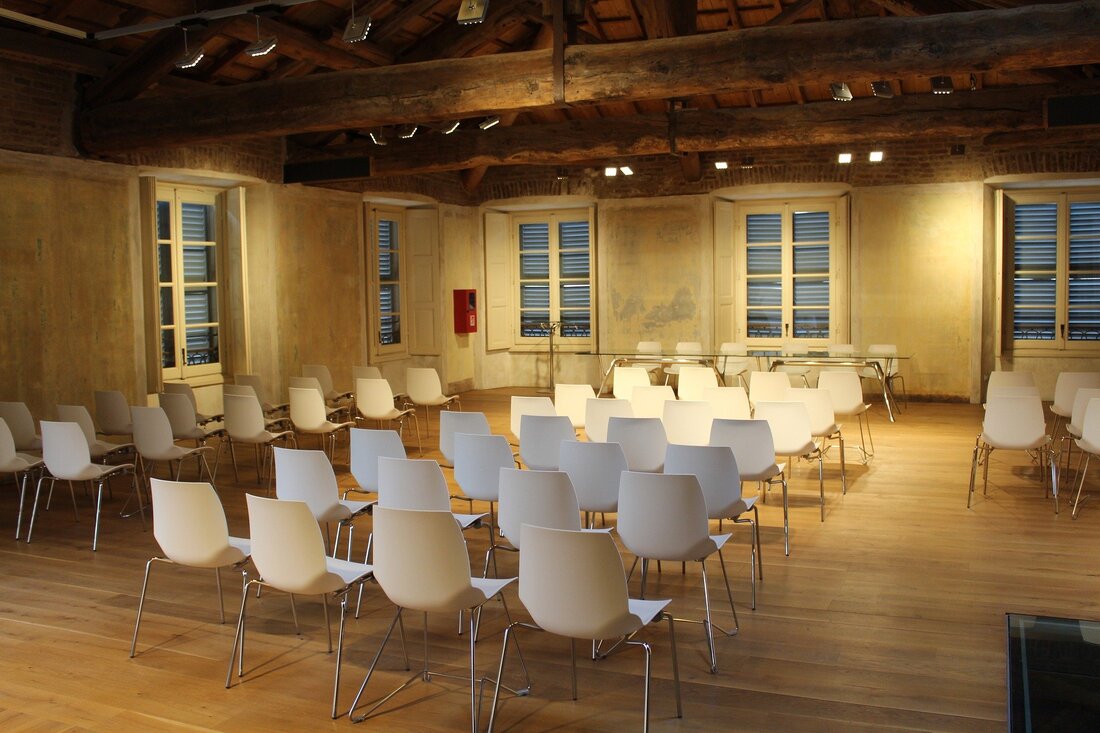
Our two-day prevention and awareness programme focuses on developing strategies for positive behaviour support and includes physical redirection and breakaway techniques.
This programme is suitable for people working in health, social care and education. Click here to learn more. |
Our Approach To Training
Our training encourages participants to think about their own behaviours and emotional triggers. We provide a safe environment for participants to think about their own beliefs, attitudes and practices and reflect upon ways to create positive change.
All of our physical intervention techniques are unique to the Space System of training, and have been independently risk assessed by a occupational therapist and manual handling adviser. This provides the peace of mind that the risk to staff and those who access services are minimised as much as possible.
All of our physical intervention techniques are unique to the Space System of training, and have been independently risk assessed by a occupational therapist and manual handling adviser. This provides the peace of mind that the risk to staff and those who access services are minimised as much as possible.
What Makes Our Approach Different?
When considering 'challenging behaviour' many training providers focus on the person in receipt of services as the source of the problem, often resulting in solutions which almost exclusively focus upon making attempts to control a person's behaviour.
The Space System is concerned with finding the real problems, looking at all aspects of any situation involving conflict. We seek to differentiate between causes and symptoms and believe that behaviour that challenges is symptomatic of issues that can be identified, i.e. unmet human needs, inflexible services, unhelpful attitudes or even an adversarial culture. Managing 'challenging' behaviour is often too late, the causes should be addressed before the symptoms, hence the title of our conflict training programmes being A Proactive Approach to Conflict.
When addressing the management of behaviours our starting point is the way that professionals manage themselves and their own conduct. Our training programmes encourage participants to explore their attitudes around work-related issues, to examine their responses to these issues and the origin of these responses. We look at positive and negative responses to stress and fear and methods to reduce stress and use fear to empower ourselves and heighten our awareness.
In our two day programme we discuss the ways to address the behaviour of those who access services. One aspect we explore is the professionals' responsibility to teach more appropriate ways for people to express themselves. Central to this concept is a clear understanding of the differences between a positive culture where consequences are encouraged for inappropriate behaviour, and negative one where less appropriate behaviour is punished.
The Space System and our training is based on the belief that physical interventions are often detrimental to relationships. We recommend that any restrictive physical interventions training should be person specific with techniques supported by written, person-centred support and behavioural support plans and regularly risk assessed.
The Space System is concerned with finding the real problems, looking at all aspects of any situation involving conflict. We seek to differentiate between causes and symptoms and believe that behaviour that challenges is symptomatic of issues that can be identified, i.e. unmet human needs, inflexible services, unhelpful attitudes or even an adversarial culture. Managing 'challenging' behaviour is often too late, the causes should be addressed before the symptoms, hence the title of our conflict training programmes being A Proactive Approach to Conflict.
When addressing the management of behaviours our starting point is the way that professionals manage themselves and their own conduct. Our training programmes encourage participants to explore their attitudes around work-related issues, to examine their responses to these issues and the origin of these responses. We look at positive and negative responses to stress and fear and methods to reduce stress and use fear to empower ourselves and heighten our awareness.
In our two day programme we discuss the ways to address the behaviour of those who access services. One aspect we explore is the professionals' responsibility to teach more appropriate ways for people to express themselves. Central to this concept is a clear understanding of the differences between a positive culture where consequences are encouraged for inappropriate behaviour, and negative one where less appropriate behaviour is punished.
The Space System and our training is based on the belief that physical interventions are often detrimental to relationships. We recommend that any restrictive physical interventions training should be person specific with techniques supported by written, person-centred support and behavioural support plans and regularly risk assessed.
More Information and Booking your Training
All our programmes can be delivered at your premises or a convenient location at a time that fits with the running of your organisation. We can also deliver training virtually using the Zoom, Microsoft Teams, Cisco Webex or GoToWebinar platforms. For more information and to make a booking please call 0800 772 0373 or email matt@spacetraining.co.uk.